
Skip to content
Majlis of Pursuit
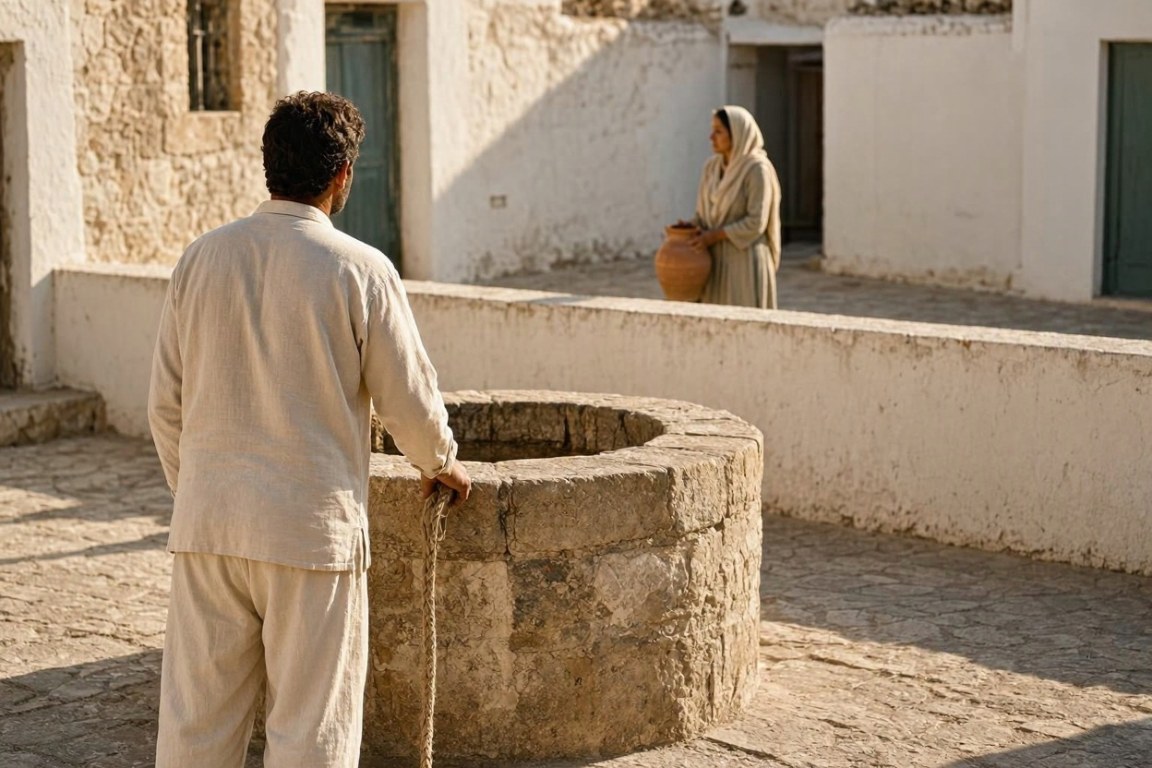
A man seen from behind leans on the rim of a stone well in a sunlit courtyard, while beyond the low wall a woman holding an empty clay jar waits in the lane
Illustration

InvestigationEthics11 min

Does having the right to own something mean you have the right to use it however you want?

Follow one unexpected payment through a set of choices: personal needs, obligations, voluntary giving, and the possibility of supporting something that lasts. Explore how Islamic sources distinguish these questions without turning a short experience into a financial ruling.

Exhibit 01
14%

Exhibit 01

A resource arrives

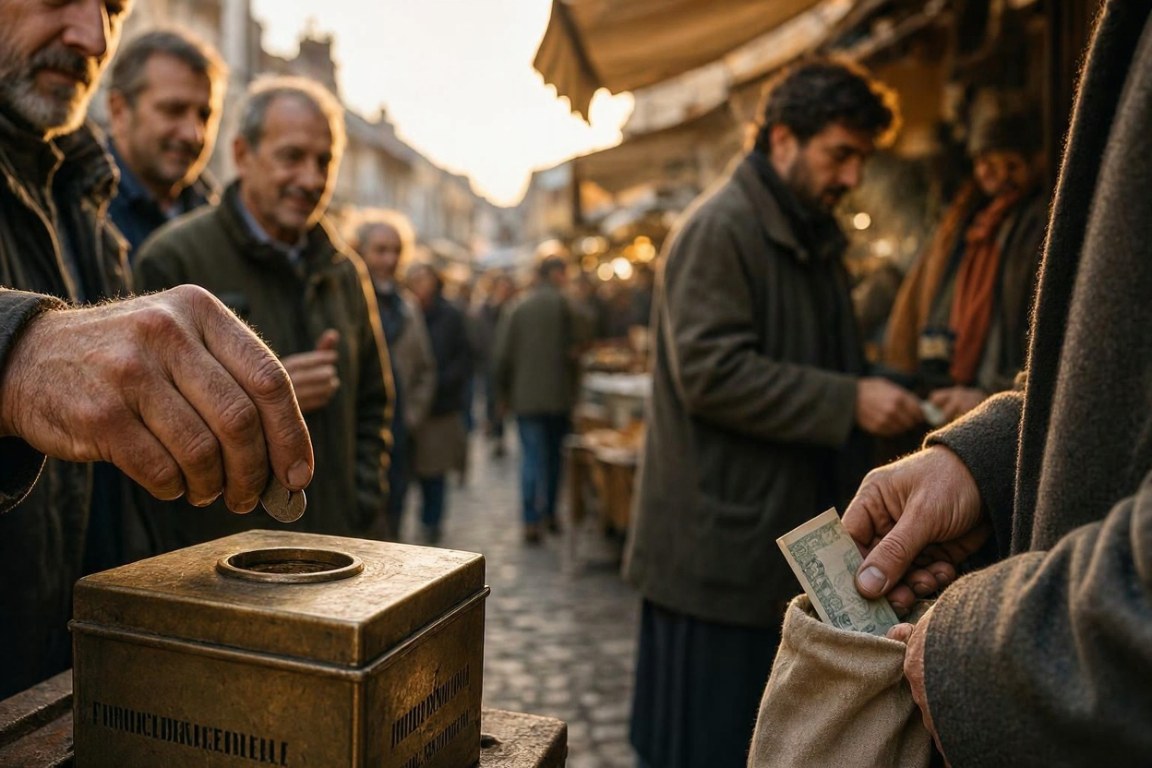
Mariam has just been paid for a project she completed months ago. The money is hers to manage, but several needs compete for it.

She has a bill due soon. A relative has asked for help. A neighborhood group is exploring a service that might benefit people over time. Mariam also wants to keep some of the payment for a course she has been saving for.

There is no single detail that settles the decision for her. What matters about the money, the requests, and the people affected?

Reflect

When a resource belongs to you, what responsibilities—if any—might shape how you use it?
Sources in this experience

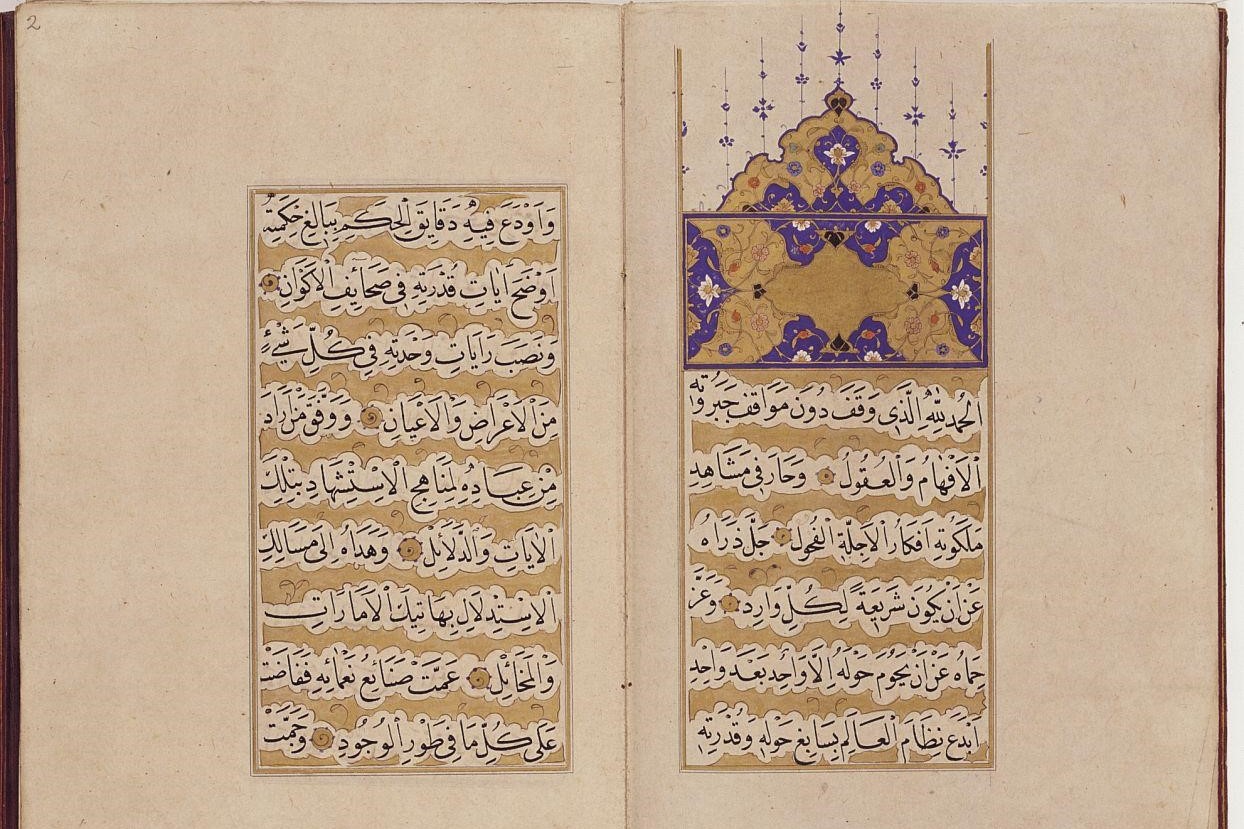
  • Qur'an 4:29 — Quran.com

    Saheeh International translation, Quran.com resource 20

    View source
  • Qur'an 9:60 — Quran.com

    Saheeh International translation, Quran.com resource 20

    View source
  • Sahih Muslim 2588 — Dar-us-Salam

    Arabic-English 7-volume set; translated by Nasiruddin al-Khattab; first edition, June 2007

    View publisher edition details View source
  • The Provision of Public Goods under Islamic Law: Origins, Impact, and Limitations of the Waqf System — Timur Kuran, 2001 View source
  • Charity in Islamic Societies — Amy Singer, 2008, Cambridge University Press View source
  • The Waqf of Nūrī Bimaristan in Aleppo in the Mid-16th Century — Enver Çakar, 2024 View source
Spotted an error or have a question? Tell us

Keep exploring