


Skip to content
Majlis of Pursuit
A weary, ragged stranger sits on city steps at dusk beside a worn bag while townspeople with baskets of bread walk past
Illustration

InvestigationEthics11 min

What do you owe to strangers in your own city?

From an obligatory share of wealth to charitable endowments and rulers under the law, explore Islamic ideas of social justice — and the gap between ideals and how societies actually worked.

Exhibit 01
17%

Exhibit 01

A city's dilemma

Imagine a city after a failed harvest. Some families have stores of grain; many have nothing. Is it fair to require the wealthy to give? Or should giving always be a free choice?

Every society answers this somehow. Islamic law offered one answer that surprises many people: some giving is not optional.

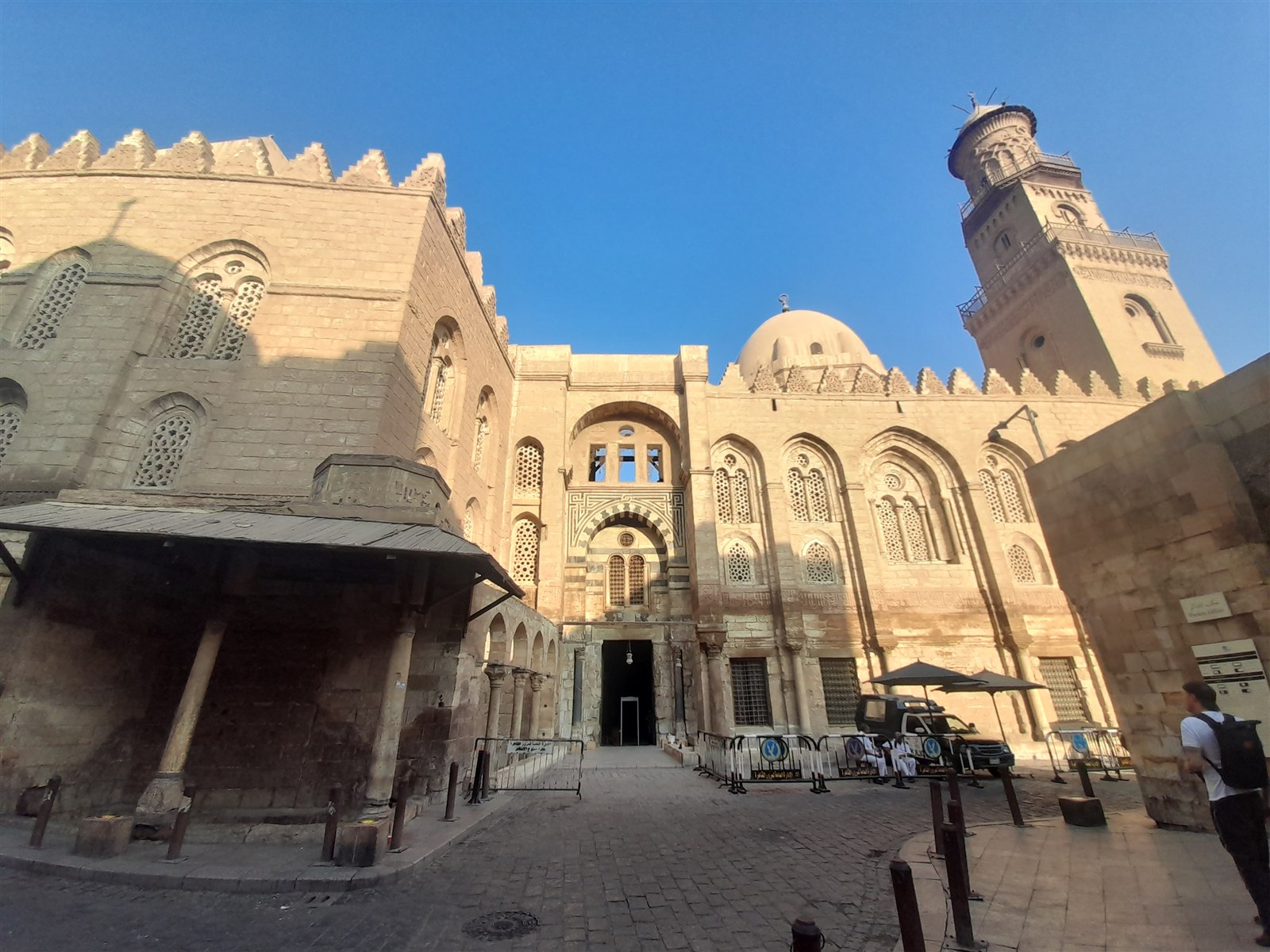
Question

Should helping the poor be a legal duty or a personal choice?

Sources in this experience

  • The Qur'an 9:60 (recipients of zakat)

    trans. M. A. S. Abdel Haleem (OUP, 2004)

    View source
  • Charity in Islamic Societies — Amy Singer, 2008, Cambridge University Press View source
  • The Muqaddimah: An Introduction to History — Ibn Khaldūn, trans. Franz Rosenthal, 1958, Princeton University Press View source
  • A Theory of Justice — John Rawls, 1971, Harvard University Press View source
  • Sharīʿa: Theory, Practice, Transformations — Wael B. Hallaq, 2009, Cambridge University Press
  • The Long Divergence: How Islamic Law Held Back the Middle East — Timur Kuran, 2011, Princeton University Press
  • Religious Pluralism and Islamic Law: Dhimmīs and Others in the Empire of Law — Anver M. Emon, 2012, Oxford University Press
Spotted an error or have a question? Tell us

Keep exploring